
When buying a used tube amplifier, start by matching the amp’s wattage and features to your playing style and environment. Check tube types like EL34 or EL84 for tone preference, and thoroughly inspect tubes, capacitors, and transformers for wear or corrosion. Verify speaker originality since it impacts tone and value, and research brand reliability and market prices to negotiate smartly. Knowing these technical details upfront ensures you select a genuine, well-maintained amp tailored to your needs before exploring deeper maintenance and buying tips.
Key Facts Summarized
- Choose an amp wattage and size matching your playing environment and tone preferences, from practice to live gigs.
- Research amp classes, tube types, and reputable brands to ensure desired tone and reliability.
- Thoroughly inspect external condition, test sound quality, and check internal components for wear or damage.
- Verify original speakers for authentic tone and negotiate price based on condition, rarity, and originality.
- Maintain tubes and electronics regularly, and buy from trusted sellers after careful testing and inspection.
Choosing the Right Tube Amplifier for Your Playing Style
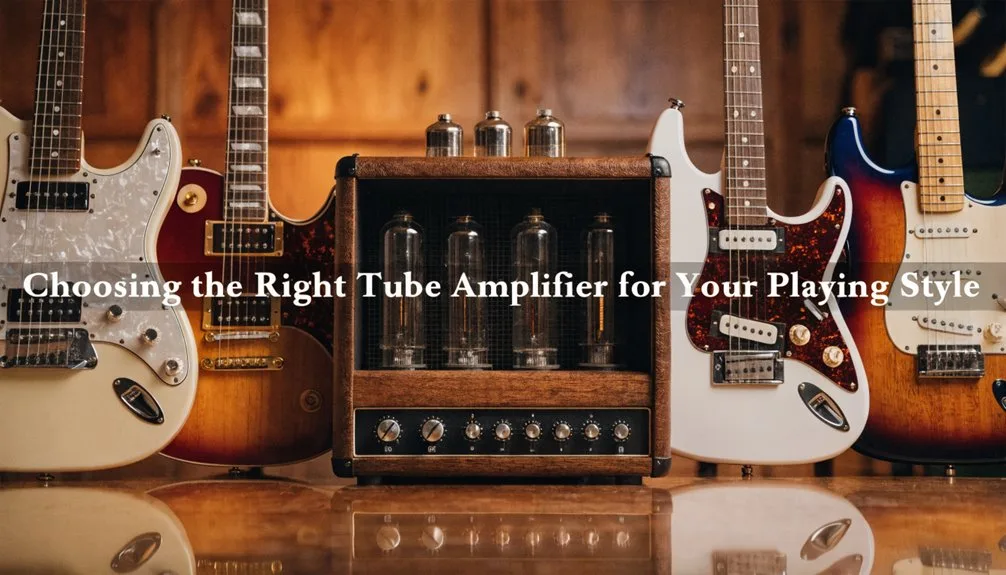
How do you find the perfect tube amplifier that matches your playing style? Start by assessing your environment: small amps (10-20W) excel for practice, while 50W+ models suit live gigs.
When buying used tube amps, check wattage and size to ensure they align with your needs. Consider whether your playing style favors the warm, vintage tones that tube amps deliver or if you prefer the low-maintenance reliability of solid-state or hybrid options.
Hybrid tube amplifiers offer a balance, combining tube warmth with solid-state durability. Also, evaluate features like multiple channels, built-in effects, and input/output options that complement your genre and setup.
When purchasing used equipment, it is important to verify the serial number authenticity to confirm the product’s legitimacy and avoid counterfeit units.
Common Tube Amp Types and Their Tone Differences

When selecting a tube amplifier, understanding the different amp classes and tube types is crucial because each combination shapes your tone distinctly. Tube amps vary widely in tonal character, impacting your sound’s warmth, clarity, and dynamics.
Here’s a concise overview of common types and their tone differences:
- Class A amps deliver warm, harmonic-rich tones with smooth compression, perfect for blues and jazz.
- Class AB amps balance power and tonal complexity, fitting diverse musical styles.
- EL34 tubes provide a punchy, aggressive tone with strong midrange and high-end sparkle, ideal for classic rock and high-gain settings.
- EL84-powered amps offer a chimey, scooped sound with emphasized midrange, common in British-style amps like Vox.
Knowing these distinctions helps you choose the tube amp that best matches your sonic goals. Always be cautious of unrealistic pricing when considering used tube amps to avoid counterfeit or fraudulent listings.
Researching Reliable Tube Amp Brands and Models

Understanding the tonal characteristics of different tube amp types sets the foundation for choosing the right amplifier, but selecting a reliable brand and model ensures consistent performance and longevity.
When researching used tube amps, focus on brand reputation—Fender, Marshall, and Vox consistently deliver high model reliability and strong resale value.
Examine user reviews to spot recurring issues like tube wear or transformer faults, which impact durability.
Vintage amps offer unique tones but may require more upkeep, demanding thorough inspection before purchase.
Modern tube amps with digital modeling provide versatility and improved reliability but may sacrifice authentic tube sound.
Compare specifications such as wattage, transformer quality, and component age to assess build quality.
This technical approach helps you select a dependable, long-lasting tube amplifier suited to your playing style.
Additionally, verifying the seller’s ratings and history can significantly reduce the risk of fraud when buying used tube amplifiers.
Setting Your Budget for Used Tube Amps
Although used tube amplifiers can fit a wide range of budgets, setting a clear financial framework before you start shopping helps you narrow down options effectively. Begin by researching market prices for brands and models that suit your needs, so you understand fair value and avoid overpaying.
Factor in maintenance costs, such as tube replacements and component refurbishments, which can impact your overall budget. Also, define your primary use—practice, recording, or live performance—as this influences the quality and features you require.
To set your budget wisely, consider:
- Typical price ranges from a few hundred to over a thousand dollars
- Expected maintenance and repair expenses
- Market prices for popular and vintage models
- Additional funds for potential upgrades or refurbishment
This approach ensures your budget aligns with both acquisition and long-term upkeep costs. Additionally, when making purchases, always verify seller credibility and use platforms that offer buyer protection to minimize risks associated with online scams.
Should I Buy or Rent a Used Tube Amp?
Deciding whether to buy or rent a used tube amplifier hinges largely on your playing frequency and long-term goals. Buying a used amp grants you full ownership and customization freedom but demands ongoing maintenance and potential repairs.
If you play regularly, this investment typically proves more cost-effective than a long-term rental, which can accumulate expenses exceeding the purchase price. Conversely, long-term rental suits occasional players, offering access to high-quality models with maintenance often included, reducing unexpected costs.
However, renting doesn’t build equity or allow modifications. Before buying a used tube amp, evaluate its condition, age, and likely repair needs to ensure value and dependable performance.
Ultimately, if you seek consistent use and control over your gear, buying is advantageous; for infrequent use, renting minimizes hassle and upfront costs. It is also important to inspect and authenticate the equipment thoroughly to avoid potential issues when purchasing second-hand.
Inspecting the Physical Condition of a Used Tube Amplifier
When inspecting the physical condition of a used tube amplifier, you’ll want to carefully examine the exterior for any dents, scratches, or missing knobs, as these signs often reveal how well the amp has been maintained.
When you inspect for damage on a guitar amp, focus on these key areas:
- Cosmetic condition: Check original logos, coverings (tweed or tolex), and grille cloths, especially for vintage models.
- Modifications: Look for cutouts or extra holes that might reduce authenticity and value.
- Hardware: Inspect piping, corners, handles, and feet for damage or replacements.
- Grille cloth: Since it can affect sound quality, ensure it’s intact and original if possible.
Why Transformers Matter for Tone and Value
Because transformers directly shape the harmonic content and overall sound character of a tube amplifier, their condition and quality are crucial to both tone and value. The output transformer especially impacts the amp’s tonal authenticity, with many players favoring original or high-quality replacements. However, replacing both power and output transformers in vintage amps often reduces value by 15-20%.
| Transformer Type | Impact on Tone |
|---|---|
| Output Transformer | Defines harmonic content and sound character |
| Power Transformer | Supports consistent power delivery, affecting dynamics |
| Original Units | Preserve vintage authenticity and value |
| High-Quality Replacements | Can restore tone without heavy value loss |
| Poor Replacements | Diminish tonal quality and reduce value |
Understanding transformers helps you make informed decisions about preserving your amp’s vintage tone and market worth.
Testing Your Used Tube Amp’s Sound and Controls
Although buying a used tube amp can offer great value, you’ll want to thoroughly test its sound and controls to ensure reliable performance. Focus on these key areas during testing:
- Play through different volume levels to detect hum, crackling, or unwanted noise indicating internal issues.
- Rotate all knobs and switches to check for smooth operation and absence of scratchiness or dead spots affecting tone controls.
- Test built-in effects and channel switching to confirm clear, accurate sound reproduction.
- Adjust tone controls and effects to assess their responsiveness and range without distortion or clarity loss.
Listen carefully for rattling or distortion at high volumes, as these can reveal speaker or tube problems. This comprehensive testing ensures the amp’s sound and controls meet your expectations.
Checking Internal Tube Amp Parts for Wear and Tone
To accurately assess the condition of a used tube amplifier, you’ll need to carefully examine its internal components for signs of wear and potential tone degradation.
Begin your tube amp inspection by checking the tubes for discoloration, white spots, or cracks, as these indicate imminent failure.
Inspect resistors and capacitors for corrosion or leakage, which can negatively affect tone quality.
Ensure tube sockets are secure and free from corrosion to maintain proper electrical contact.
During operation, listen for hums or crackles that may signal worn tubes or faulty parts.
Finally, assess the transformer and surrounding components for physical damage or unusual warmth, as these issues can compromise both tone and reliability.
A thorough internal inspection is essential for evaluating a tube amp’s true performance potential.
Why Original Speakers Affect Your Amp’s Sound and Value
After examining the internal components of a tube amplifier, the next step is to consider the role of its speakers in shaping sound and value. Original speakers in vintage tube amplifiers are essential for authentic tonal characteristics and maintaining collectible worth. Here’s why they matter:
- The cone and voice coil design directly influence sound quality and tonal response.
- Replacing original speakers can reduce an amp’s value by 15-20% or more.
- Restoring or re-coning original speakers preserves both authenticity and desirable sound.
- Collectors and players often prefer original speakers to achieve true vintage tone.
Negotiating a Fair Price When Buying Used Tube Amps
When negotiating a fair price for a used tube amplifier, you need to start by researching the current market values for the exact model. This helps you establish a fair market value baseline. Conduct a thorough condition assessment—check for original components, cosmetic damage, and any worn parts like tubes or capacitors. Use these findings to negotiate a price reduction if repairs are necessary. Understanding seller motivations, such as a desire for quick sales, can also work in your favor. Always be ready to walk away if the price exceeds the amp’s value or the condition is poor.
| Factor | Impact on Price |
|---|---|
| Model Rarity | Higher price |
| Original Components | Maintains value |
| Cosmetic Condition | Affects price moderately |
| Tube/Capacitor Health | Can justify discounts |
| Seller Motivation | Opportunity to negotiate lower |
Basic Maintenance Tips for Your Used Tube Amplifier
Although tube amplifiers are known for their durability, maintaining them properly is essential to preserve their tonal integrity and operational reliability. Regular maintenance ensures your used tube amplifier performs optimally and lasts longer. Pay particular attention to components like filter capacitors and tubes, which directly affect sound quality.
Here are key maintenance tips to keep your amp in top shape:
- Inspect and replace old, dried-out filter capacitors to prevent tone degradation and operational issues.
- Clean input jacks, switches, and potentiometers with contact cleaner to avoid crackling and ensure smooth control.
- Check tubes for wear or discoloration; replace worn tubes promptly to maintain sound clarity.
- Always power off and unplug the amplifier before performing any maintenance to avoid electrical hazards.
Consistent care extends your amplifier’s life and maintains its signature tonal character.
Where to Find Used Tube Amplifiers Locally and Online
You can find used tube amplifiers through a variety of local and online sources that cater to different needs and preferences. Local music stores and pawn shops allow hands-on inspection and testing, ensuring you evaluate condition firsthand. Online marketplaces like Reverb and eBay offer extensive selections with detailed listings and seller ratings. Specialty forums and classifieds provide filtered searches by price, condition, and location, facilitating local or national purchases.
| Source Type | Key Benefits |
|---|---|
| Local Music Stores | In-person testing, immediate pickup |
| Online Marketplaces | Wide selection, detailed descriptions |
| Guitar Forums | Verified sellers, community support |
These options combine convenience and reliability but differ in immediacy and selection scope.
Tips for Buying a Reliable Used Tube Amp Safely
Since tube amplifiers rely heavily on delicate internal components, buying used requires meticulous inspection and testing to ensure reliability. When evaluating used tube amps, you need to test the amp thoroughly and verify functionality to avoid costly repairs.
Focus on these key steps:
- Inspect the exterior for dents, missing knobs, or signs of rough handling.
- Test the amp with your guitar at various volumes to detect hums, crackles, or other irregular sounds.
- Verify the functionality of all controls, switches, and built-in effects for smooth operation.
- Examine tube condition for wear or corrosion and inquire about their last replacement or testing.
Additionally, reviewing maintenance history or consulting a technician can provide deeper insight into internal component health.
Frequently Asked Questions
How Do Tube Amplifiers Compare to Solid-State Amps in Power Consumption?
You’ll find tube amplifiers generally consume more power than solid-state amps due to their vacuum tubes’ inefficiency and heat generation. Solid-state designs use transistors, which operate cooler and require less electricity for similar output levels.
Can Tube Amplifiers Be Used Effectively for Bass Guitars?
Absolutely, you’ll feel like a thunderstorm with tube amps on bass! They deliver warm, rich tones and natural compression, but ensure you pick models with enough headroom and low-frequency response to avoid muddiness or distortion.
What Are the Environmental Impacts of Disposing Old Tubes and Amp Parts?
You’ll find that disposing old tubes and amp parts improperly releases heavy metals and hazardous chemicals, contaminating soil and water. You should recycle components through specialized e-waste programs to minimize environmental harm and comply with regulations.
How Does Tube Amplifier Size and Weight Affect Portability?
Tube amplifier size and weight directly impact portability by affecting how easily you can transport it. Heavier, larger amps are cumbersome and less travel-friendly, while compact, lighter models offer greater mobility without sacrificing sound quality.
Are There Specific Insurance Considerations for Vintage Tube Amplifiers?
Like a rare gem, your vintage tube amplifier needs specialized insurance. You’ll want coverage for its unique value, potential restoration costs, and protection against electrical damage, theft, or accidental breakage to keep your investment safe and sound.
Conclusion
Just like a seasoned musician tuning their instrument, choosing the right used tube amplifier demands attention to detail and a clear understanding of your tone needs. By researching brands, setting a realistic budget, and inspecting amps carefully, you’ll strike the perfect chord between quality and price. Whether you’re buying or renting, negotiating smartly and maintaining your amp ensures it performs like a classic hit for years to come. Your sonic journey starts here—play it wisely.